


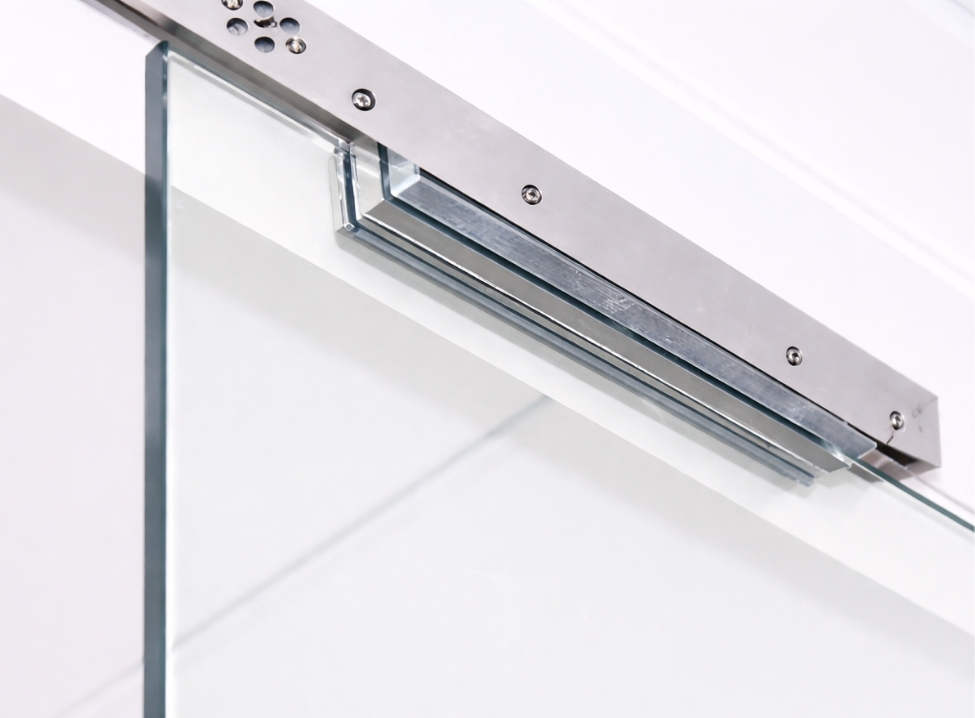
Door entry systems often fail in boring, predictable ways: the door does not close cleanly or the release feels inconsistent or sticky. Getting the door hardware right avoids most of that. This article is for facilities managers, installers, office managers, estates teams, and IT or facilities crossover roles who need practical guidance on specifying and maintaining an electromagnetic door lock, electric strikes, and other common door release methods. The focus sits inside the wider access-control system, where readers, controllers, power supplies, exit devices, and emergency release all have to work together reliably, every day.
Door hardware: what actually changes on site
Two doors can look identical on a plan and behave completely differently once installed. Door hardware decisions are shaped by:
- Door type and condition: timber, metal, aluminium shopfront, framed glass, fire door, gated entry.
- How the door latches: latch and handle set, mortice lock, panic hardware, no mechanical latch at all.
- How people leave: push to exit, sensor release, request-to-exit device, panic bar.
- Fire strategy: what must happen on alarm, and how emergency release is implemented.
- Power and cabling: supply sizing, voltage drop, and cable routing to the door leaf.
When the hardware does not match the door and usage, the rest of the system gets blamed, even if the controller and reader are fine.
The three common options in commercial access control
Electric strikes (electric releases)
An electric strike replaces or complements the strike plate in the frame. The door still uses a mechanical latch; the strike controls if the latch can be released.
Where strikes make sense
- Internal doors with a latch and handle already in place.
- Doors where “door closes and latches” is non-negotiable (busy corridors, draughty areas).
- Sites that want a familiar mechanical feel and predictable closing.
Common site issues
- Alignment drift: a door that drops on hinges will start scraping or mis-latching. Strikes have limited tolerance, so small mechanical issues become access faults.
- Incorrect latch and strike pairing: a strike chosen without checking latch type, backset, or door handing leads to rework.
- Frame prep and fixings: poor frame reinforcement causes movement and intermittent operation.
- Fire door details: a strike on a fire door needs to be fire rated and correct fitting to avoid damaging the door’s rating.
Operational implications
- Strikes tend to be easier for day-to-day users because the door still “feels normal”.
- A strike can support higher traffic doors well, but only if the door is mechanically healthy.
Electromagnetic locks (maglocks)
An electromagnetic door lock holds the door shut using a magnet on the frame and an armature plate on the door. It is typically a “power to lock” device: power applied keeps the door held.
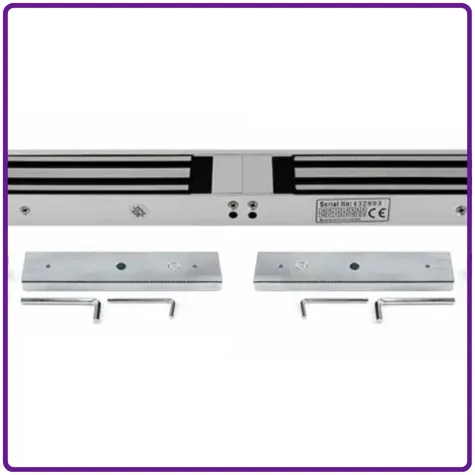
Where maglocks make sense
- Doors without a convenient latch arrangement.
- Aluminium shopfront doors and some internal doors where surface mounting is practical.
- Doors needing a strong holding force without cutting into the frame.
- Use cases where monitored holding and clean access control integration are important.
Key trade-offs
- No mechanical latching unless a separate latch is present. If the door does not close firmly against the magnet, holding force drops quickly.
- Closing control matters more: door closers and hinges become part of access reliability.
- Release design is critical: exit method and emergency release must be planned early, not added as an afterthought.
Common mistakes
- Incorrect bracket choice: shopfronts, inward-opening doors, and glass setups often need the right bracket kit. A “make it fit” install can leave the armature misaligned.
- Poor armature alignment: the magnet face and armature must mate cleanly. Overtightening the armature plate can cause poor holding force.
- No monitoring strategy: on higher-risk doors, knowing if the lock is powered and held can prevent long periods of reduced security after a fault.
- Ignoring the environment: external gates and exposed doors need suitable IP rated locks and corrosion resistance, plus better cable protection.
Day-to-day management impact
- Staff quickly notice inconsistent door behaviour: buzzing, rattling, or doors that bounce off the magnet.
- Cleaning teams and out-of-hours users often discover problems first. A simple fault-reporting routine and clear labelling of emergency release helps.
Fail-safe vs fail-secure: focus on door behaviour, not labels
The important question on site is: how should the door behave during a power loss and during a fire alarm condition?
- For many escape routes, it is normal to require immediate free egress on alarm, and predictable release during faults.
- A maglock is typically “power to lock”, so loss of power releases the door. That can be good for life safety, but it also means a power fault can turn into a security issue if the door is a primary perimeter point. Battery backups can be installed if required to keep the mag lock engaged during power outages.
- A strike can be configured in different ways depending on the model and wiring, so the same “strike” choice can behave differently across sites.
This is where proper interface with the fire alarm system, correct emergency release devices, and clear commissioning tests matter more than the product label.

Exit devices and emergency release are part of the locking choice
A door is not compliant or workable if people cannot exit safely and consistently.
Practical points that catch teams out
- Request-to-exit (REX/RTE): on maglock doors, a proper exit method is needed so people can leave without forcing the door, and so the system can record or manage egress events if required.
- Emergency door release (break glass): On a maglock door, it is a core safety component.
- Fire alarm release: doors that are held by magnetic locking often need to release on fire alarm via a suitable interface arrangement, agreed with the fire alarm contractor.
Power and cabling: the hidden reason doors behave badly
Lock hardware is only as reliable as its power delivery.
Power supply sizing
A common failure mode is under-sized power. A single electromagnetic door lock can draw meaningful current, and the load increases once readers, relays, REX devices, and indicators are included. Specifying a power supply capable of delivering more current than required can avoid problems and future proof the installation.
Voltage drop and cable routing
Long cable runs and poor cable selection reduce voltage at the lock, causing weak holding, inconsistent release, or nuisance faults. Problems usually show up first at:
- Long corridors
- Multi-tenant buildings with riser routes
- Retrofits where cables were not planned for lock loads
Door loops and protecting the cable
Cables that move with the door need protection. Repeated flexing at the hinge side causes broken cores, intermittent faults, and hard-to-diagnose call-outs. A suitable door loop is usually cheaper than repeat visits.
Commissioning checks that prevent repeat call-outs
A simple commissioning routine catches most issues before handover:
- Door closes and seats consistently: check closer speed, latch action (if present), and door alignment.
- Lock holds cleanly: check contact surfaces, bracket fixings, and armature alignment on maglocks.
- Release is consistent: test multiple cycles, including after the door has warmed up or cooled down if the area changes temperature.
- Egress is obvious and works every time: test exit device operation, then test emergency release operation.
- Fire alarm behaviour is tested with the right people present: agree the test method with the responsible person and fire alarm contractor, then record results.
- Documentation helps too: noting lock type, power supply location, fuse ratings, and cable routes saves hours later.
Practical takeaways
- Reliability is usually decided by door condition, alignment, and power delivery, not the reader or controller.
- Maglocks suit doors that close firmly and consistently, with the right brackets and a planned exit and emergency release setup.
- Electric strikes suit doors that already latch well and need a familiar mechanical operation.
- Plan early: fire alarm release, emergency release devices, and cabling routes.
- Plan later: monitored features, event logging choices, and expansion to extra doors once the first door is stable.
Conclusion
Door hardware is the point where access control meets real-world building use. A good choice of electric strike or electromagnetic door lock reduces nuisance faults, improves user confidence, and keeps door behaviour consistent across normal operation, out-of-hours use, and alarm conditions. The most dependable installs treat locking hardware, exit devices, emergency release, power, and cabling as one joined-up design. That approach also makes future changes easier: adding doors, changing access rules, or upgrading controllers becomes far simpler when the door hardware is already stable and correctly integrated into safety requirements.