


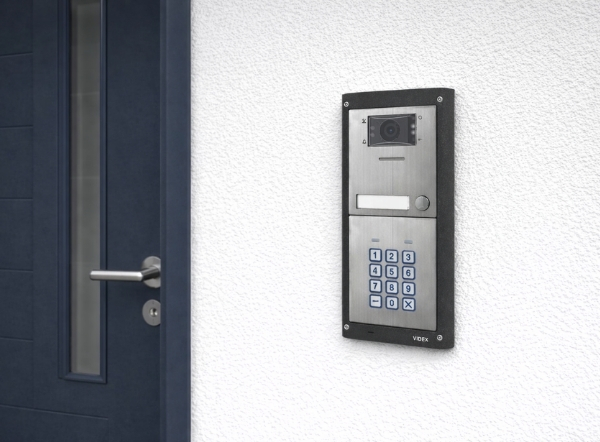
Whether you are securing a family home or managing access across a busy commercial site, choosing the right intercom system can make a significant difference to both safety and convenience. Intercoms for home use and those designed for business environments share some common ground, but they differ considerably in terms of scale, functionality, compliance requirements, and integration with wider access control infrastructure.
This guide walks you through the key considerations for each setting, the features that matter most, and how to identify the solution best suited to your property.
What Is an Intercom System and Why Does It Matter?
An intercom system allows two-way audio or video communication between a visitor and an occupant, typically at a building entrance. At its most basic level, it lets you know who is at the door before deciding whether to grant entry. At a more advanced level, it forms part of a fully integrated door entry and access control solution.
Intercoms are used across a wide range of settings, from residential properties and small offices through to hospitals, schools, warehouses, and large commercial developments. The right system depends on who needs access, how often, and what level of security or monitoring is required.
Intercoms for Home: What to Look For
For most homeowners, the priority is straightforward: know who is at the front door or gate without having to open it. A good intercom for home use should be reliable, easy to operate, and discreet enough to fit the aesthetic of the property.
Wired vs Wireless Intercom Systems
Homeowners typically choose between wired and wireless intercom systems. A wired intercom system tends to offer greater reliability and audio clarity, making it well-suited to larger properties or new builds where cabling can be integrated during construction. Wireless systems, on the other hand, are easier to retrofit and require no structural work, which makes them popular for existing homes.
For homes with electric gates or automated garage doors, a wired setup with gate intercom integration can offer a more seamless and secure solution. Products such as electric gate locks and gate automation kits can be paired with intercom systems to provide full perimeter control from a single point.
Video Intercom Systems for Residential Use
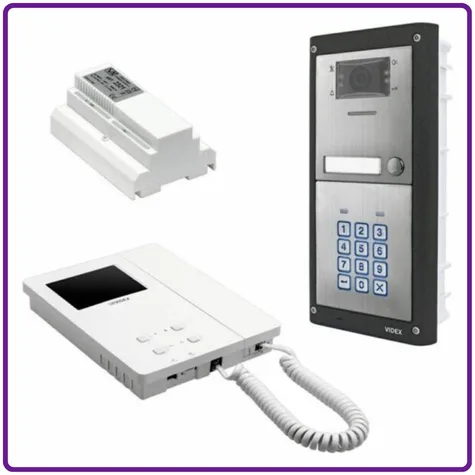
A video intercom system adds a visual element to the audio-only setup, letting you see the visitor before responding. This is increasingly popular in residential settings, particularly for properties with longer driveways, gated entrances, or in areas where security is a priority.
Video intercoms for home use are widely available and can often integrate with smartphones, allowing homeowners to answer the door remotely. This is particularly useful for monitoring deliveries or managing access while away from the property.
Intercoms for Business: A More Complex Set of Requirements
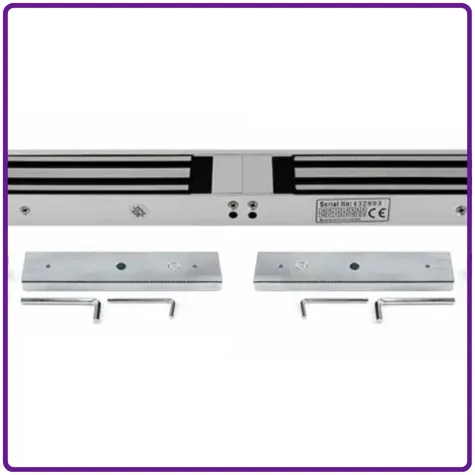
In a commercial environment, an intercom system rarely operates in isolation. It is typically one component of a broader access control setup that may include proximity readers, keypads, RFID systems, electric strikes, and maglocks. The requirements are generally more complex because more people need to be managed, compliance obligations are greater, and the consequences of a failure can be more serious.
Scale and Multi-User Access
Unlike intercoms for home use, business intercom systems often need to support multiple entry points and serve hundreds of users. A small office might require a basic audio intercom at a single door, while a hospital or university campus may need a fully networked system with video monitoring, audit trails, and integration with existing security infrastructure.
Scalability is therefore a key consideration. Systems that allow for expansion, whether by adding more door stations, linking to IP-based networks, or integrating with building management platforms, provide greater long-term value for commercial operators.
Integration with Access Control Systems
A key advantage of commercial intercom installations is their ability to integrate with full access control systems. This means a visitor can be verified via video or audio, and then access granted through an electric strike or maglock, all without the need for physical keys.
This kind of integrated setup is particularly valuable in environments such as:
- Healthcare facilities, where controlled access to sensitive areas is essential
- Schools and universities, where safeguarding requirements must be met
- Industrial sites, where access to hazardous zones needs to be strictly managed
- Commercial offices, where tenant security and visitor management are ongoing priorities
For businesses looking to combine intercom functionality with reliable electric locking, maglocks and electric strikes range offers a variety of fail-safe and fail-secure options to suit different regulatory environments.
Compliance and Safety Considerations
For business users in particular, compliance with UK building regulations and health and safety legislation is non-negotiable. The choice of intercom and door entry system must align with fire safety requirements, disability access obligations, and data protection rules if video is being recorded.
Under Part M of the Building Regulations, accessible design is required in commercial and public buildings, which can influence the placement and specification of intercom equipment.
For homes, compliance obligations are less stringent but still relevant, particularly for new builds or properties being adapted for accessibility purposes. It is worth noting that even in a domestic setting, any electronic locking integrated with an intercom should meet fire safety standards, especially on main exit routes.
Key Features to Compare: Home vs Business
To help clarify the differences, here is a summary of the features that typically distinguish intercoms for home from commercial-grade systems:
- Audio only vs video: Residential systems may use audio only, while business environments increasingly require video as standard
- Single vs multi-door: Home systems typically cover one entry point; commercial systems may cover several simultaneously
- Standalone vs networked: Home intercoms are often standalone; business systems may be IP-networked and remotely managed
- Ease of installation: DIY-friendly wireless & 4G options suit residential use; commercial systems often require professional installation
- Integration capability: Commercial systems integrate with access control, CCTV, and building management platforms; home systems may integrate with smart home devices
Conclusion
Intercoms for home and business each serve the same fundamental purpose: controlled, safe access. But the requirements, features, and level of integration involved differ considerably between the two. Residential users need a reliable, easy-to-use system that fits their property and lifestyle. Commercial operators require something more robust, scalable, and capable of working alongside access control, fire safety, and compliance frameworks.
Understanding those differences before specifying or purchasing is the best way to avoid costly changes down the line. Whether you are a homeowner, a security installer, or a facilities manager, choosing the right intercom system starts with knowing exactly what your environment demands.