


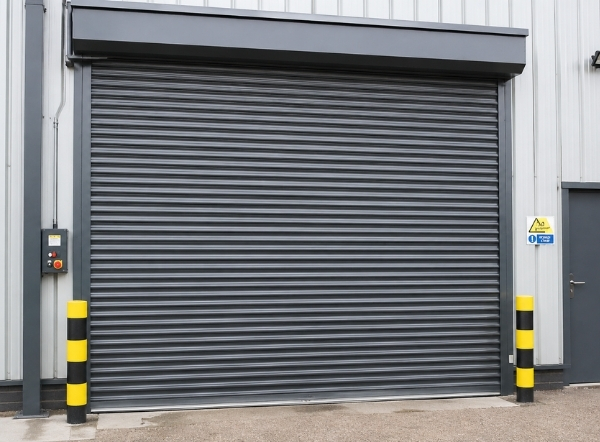
Roller shutters are a critical part of security and operations for warehouses, retail units, and industrial loading bays across the UK. Yet despite their widespread use, roller shutter regulations UK businesses must comply with are frequently overlooked until something goes wrong.
Whether you manage a busy distribution centre, a high street shop, or an industrial facility, understanding roller shutter safety is not just about protecting your property. It is about protecting the people who work near these systems every day. This guide covers the key regulations, the risks, the essential safety components, and the practical steps you can take to stay compliant and keep your site safe.
Why Roller Shutter Safety Matters
Roller shutters are high-force mechanical systems. A commercial shutter can weigh hundreds of kilograms and operate at speed. Without the right safety controls in place, they present a serious risk of crushing, entrapment, and impact injuries to operators, delivery drivers, and bystanders alike.
Beyond the human cost, failing to meet roller shutter regulations UK law can expose your business to significant liability, prosecution under the Health and Safety at Work Act 1974, and invalidated insurance claims. The responsibilities are real, and they sit with the installer and whoever manages and operates the installation.
Key Roller Shutter Regulations UK Businesses Must Follow
Several pieces of legislation and standards govern roller shutter installations across the UK. Understanding which apply to your site is the first step towards compliance.
The Machinery Directive and UK PSSR
Following the UK’s departure from the EU, the Machinery Directive (2006/42/EC) has been retained in UK law. All powered roller shutter systems must meet the essential health and safety requirements set out within it. This means the shutter must be designed and controlled so that it cannot cause injury during normal or foreseeable use.
Provision and Use of Work Equipment Regulations 1998 (PUWER)
PUWER applies directly to powered roller shutters used in the workplace. Under PUWER, employers must ensure that work equipment is:
- Suitable for its intended purpose
- Maintained in a safe condition
- Inspected regularly to confirm it remains safe
- Operated only by trained and competent personnel
Roller shutters used in commercial and industrial premises are classified as work equipment under PUWER, and the regulations apply in full.
The Construction (Design and Management) Regulations 2015 (CDM)
For new installations, CDM regulations require that safety considerations are built into the design and planning of roller shutter systems from the outset. Designers, principal contractors, and clients all carry duties to ensure safety is not an afterthought.
BS EN 13241 and CE/UKCA Marking
Roller shutters and industrial doors placed on the UK market must comply with BS EN 13241, the harmonised standard for industrial, commercial, garage, and pedestrian doors. Products must carry UKCA marking (or CE marking for goods from certain markets) to confirm they meet the standard, which includes requirements for wind load resistance, thermal performance, and critically, safety under power failure and impact.
The Biggest Safety Risks with Roller Shutters
Understanding what can go wrong helps you prioritise the right controls. Common hazards include:
Entrapment and crushing. If a shutter descends without warning and without obstruction detection, anyone in the path faces severe injury. This is the most serious risk associated with powered systems.
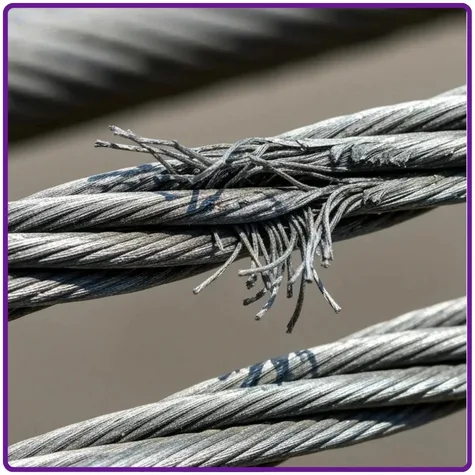
Mechanical failure. Springs, cables, and drives wear over time. Without routine maintenance, components can fail suddenly and cause the curtain to drop without warning.
Electrical faults. Control panels and receiver units that are not properly installed or maintained can malfunction, causing unexpected movement or preventing safe operation.
Inadequate guarding. Roller shutters installed without safety edges or light curtains leave a significant gap in protection, particularly in high-traffic loading bay environments.
Poor visibility. Operators who cannot see clearly whether the opening is clear before activating the shutter are at increased risk of causing an incident.
Essential Safety Components for Roller Shutter Systems
Meeting roller shutter regulations UK standards means more than installing the shutter itself. A complete and compliant system includes several additional safety elements.
Safety Edges
A safety edge is a pressure-sensitive strip fitted to the bottom of the shutter curtain. When the edge makes contact with an obstacle whether a person, a vehicle, or an object the shutter automatically stops and reverses. Safety edges are a fundamental requirement for any powered roller shutter and are essential for compliance with BS EN 13241.
Light Curtains and Sensors
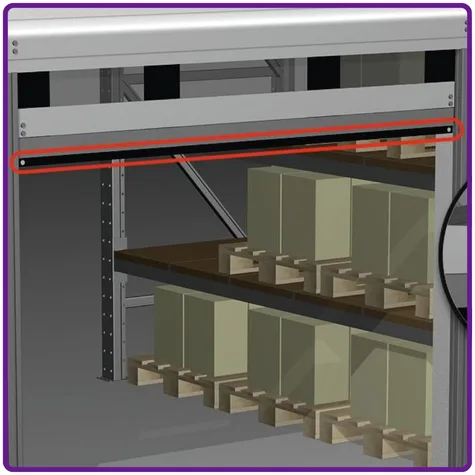
For higher-risk environments such as loading bays or areas with frequent pedestrian traffic, light curtains provide an additional layer of protection. These infrared sensor arrays create an invisible detection field across the opening. If the beam is broken while the shutter is in motion, the system halts immediately.
Control Panels
The control panel is the brain of any roller shutter installation. A well-specified panel provides reliable and repeatable operation, integrates with safety devices such as edges and sensors, and includes emergency stop functionality. Key switches fitted to control panels also allow access management, preventing unauthorised operation.
Safety Sensors and Obstruction Detection
Beyond safety edges, additional infrared or microwave sensors can be integrated to monitor for obstructions at various heights within the opening. These are particularly valuable in busy environments where vehicles and pedestrians may be present simultaneously.
Deadman closing
Deadman closing means the operator must keep their finger on the controls to close the door. If they let go, the door stops immediately. This setup can often negate the need for safety edges and light curtains, but it is essential that the operator is properly trained and is in direct line of sight to the door when operating it.
Maintenance and Inspection Requirements
No safety system is effective if it is not properly maintained. PUWER requires that roller shutters are subject to regular inspection and that records are kept.
As a minimum, you should:
- Regularly carry out visual checks to identify obvious damage or defects
- Schedule periodic servicing by a qualified engineer to inspect mechanical components, test safety devices, and check electrical systems
- Keep a written record of all inspections, maintenance work, and any faults identified
- Act promptly on any defects, a shutter that has failed a safety check should be taken out of service until repaired
Many facilities managers choose to set up a planned preventative maintenance (PPM) contract with a qualified installer to ensure that compliance is maintained throughout the year, not just at point of installation.
Installation Standards and Competency
Roller shutter regulations UK law does not specify a single licensing body for installers, but competency requirements are clear. Installers should be able to demonstrate familiarity with BS EN 13241, PUWER, and the Machinery Directive. They should also provide documentation confirming that the installed system meets applicable standards, including declaration of conformity and handover documentation for the end user.
For electrical elements of the installation, work must comply with BS 7671 (the IET Wiring Regulations) and be carried out or overseen by a suitably qualified electrician.
Choosing a supplier who provides installer-friendly systems with clear technical documentation makes a significant difference to the quality and compliance of the finished installation.
Frequently Asked Questions
Q: Are roller shutter safety edges a legal requirement in the UK?
Yes, for powered roller shutters in commercial and industrial settings, safety edges are effectively a requirement (except for in deadman installations). BS EN 13241 and the Machinery Directive both require that powered door systems incorporate means to prevent crushing injuries. A safety edge that stops and reverses the curtain on contact is the standard method of meeting this requirement. Failing to fit one would be a significant compliance gap under PUWER.
Q: How often should a commercial roller shutter be serviced?
Most manufacturers and industry guidance recommend a minimum of one full service per year for commercial and industrial roller shutters. High-usage installations such as those on busy loading bays operating multiple times per day may require more frequent inspection. PUWER requires that maintenance intervals are determined based on usage, environment, and manufacturer recommendations.
Q: What does UKCA marking on a roller shutter mean?
UKCA (UK Conformity Assessed) marking confirms that the product has been assessed against the relevant UK standards, including BS EN 13241 for industrial and commercial shutters. It replaced CE marking for products placed on the Great Britain market after 1 January 2022. A UKCA-marked shutter provides assurance that it has been designed and tested to meet essential safety and performance requirements.
Q: Can any electrician install the control panel for a roller shutter?
The electrical installation must comply with BS 7671 and be carried out by a competent person. However, the integration of the control panel with the shutter’s mechanical and safety systems requires knowledge that goes beyond general electrical competency. It is advisable to use an installer with specific experience in roller shutter systems to ensure the control panel, safety edges, and sensors are correctly commissioned and tested together.
Q: What should I do if my roller shutter safety edge is not working?
Take the shutter out of service immediately. A powered shutter without functioning obstruction detection presents a direct risk of serious injury and would not comply with PUWER or the Machinery Directive. Contact a qualified engineer to inspect and repair the system before returning it to use. Do not attempt to bypass or disable the safety circuit as a temporary measure.
Conclusion
Roller shutter safety is a genuine compliance obligation, not an optional extra. Understanding and applying the relevant roller shutter regulations UK law requires protects your team, reduces liability, and ensures your installation holds its value over time. From safety edges and light curtains to properly specified control panels and sensors, every component plays a role in a system that is safe and reliable under daily operational demands. Regular maintenance and competent installation are equally important. Quantek supplies a full range of roller shutter controls, safety edges, key switches, and sensor systems designed to help installers and facilities managers meet these requirements with confidence. If you are specifying a new installation or reviewing an existing one, the right components make compliance straightforward.